20 Insightful Quotes On Wooden Pallets Vendor
Understanding Wooden Pallets: Your Guide to Choosing the Right Vendor
Intro
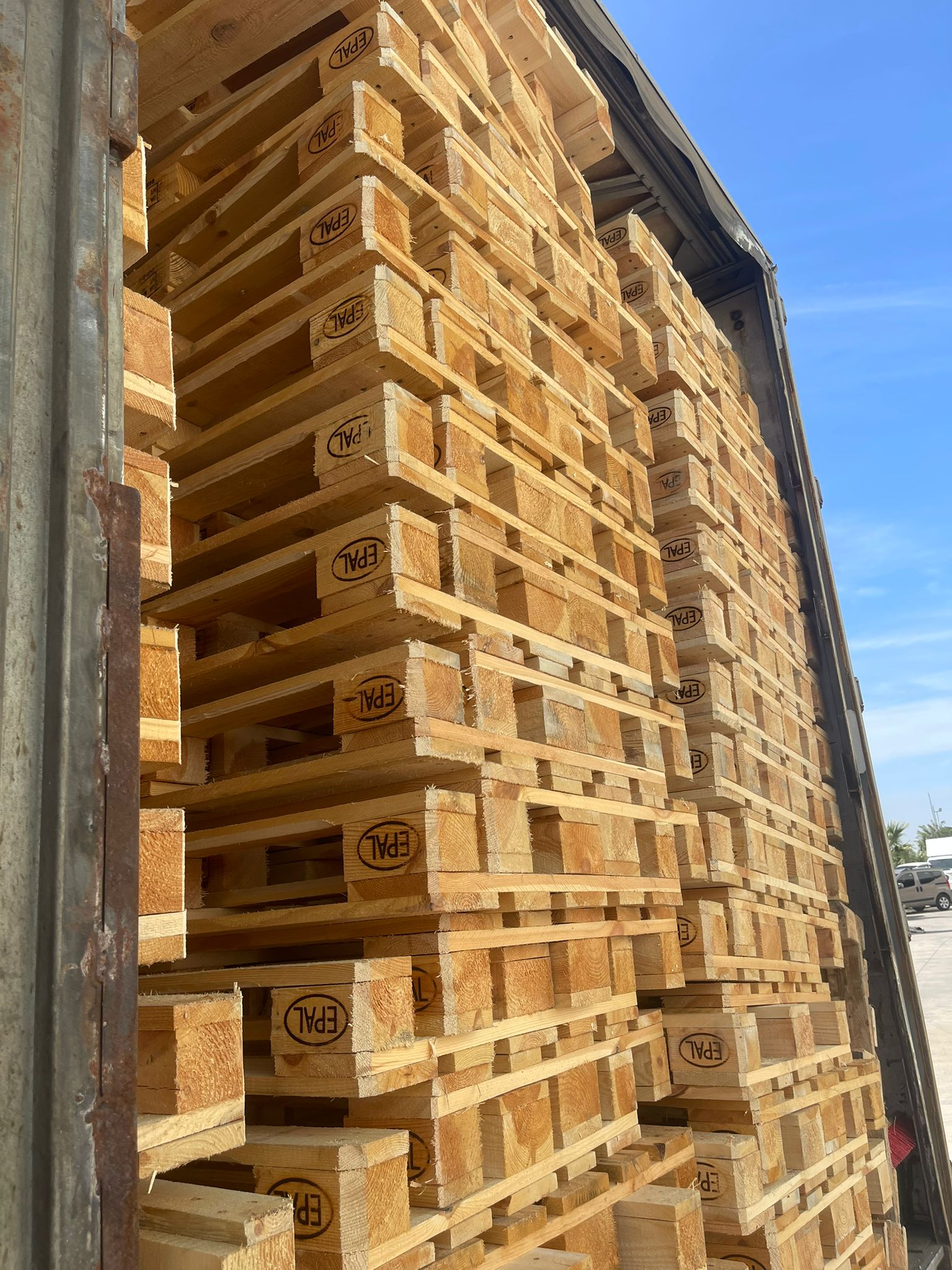
In the world of logistics and shipping, wooden pallets act as a basic part in the transportation and storage of goods. Their versatility, resilience, and cost-effectiveness have actually made them a staple in industries varying from retail to manufacturing. However, not all wooden pallets are developed equivalent, which is why selecting the right vendor is vital for services seeking to enhance operations and handle costs. This blog post will discuss the significance of choosing a reputable wooden pallets vendor, highlight necessary factors to consider, and respond to often asked concerns to help you make a notified choice.
The Role of Wooden Pallets in Industry
Wooden pallets serve as a platform for transferring different products and products, lowering damage during transit and guaranteeing effective handling and storage. The following table offers a summary of the benefits and downsides of using wooden pallets.
Benefits of Wooden Pallets
Downsides of Wooden Pallets
Economical compared to other products
Prone to pests and wetness
Environmentally friendly and recyclable
May break down or splinter with time
High load-bearing capacity
Can be heavy, making transport difficult
Easily repairable
Requirement sizes might not suit all requirements
Readily available in various sizes and setups
Compliance with guidelines might be required
Secret Considerations When Choosing a Wooden Pallet Vendor
When considering a wooden pallets vendor, the following aspects ought to direct your decision-making process:
1. Quality of Products
The vendor's reputation for quality is a critical factor. Ensure their pallets satisfy market requirements and are dealt with to avoid insect infestations. Ask for specifications, certifications, and whether the pallets have undergone any treatments.
2. Customization Options
Various companies have different requirements. A great vendor should offer modification alternatives in terms of pallet size, style, and material. This guarantees that the pallets fit the unique needs of your products.
3. Sustainable Practices
Sustainability is becoming significantly essential for organizations. Look for vendors that practice accountable sourcing of materials, and inquire whether they have any certifications showing environment-friendly practices.
4. Rates Structure
Comprehend the vendor's rates structure, including potential discount rates for bulk orders or long-term agreements. Compare the prices with other suppliers to guarantee you're getting the very best value without jeopardizing quality.
5. Lead Times and Delivery
Examine the vendor's preparations for order satisfaction. Quick and reliable shipment is necessary to keep your supply chain management. agronytradingllc about their logistics and how they deal with urgent orders.
6. Consumer Support and Service
Examine the quality of consumer service provided by the vendor. Good interaction channels, fast action times, and dedicated assistance personnel can make fixing problems easier and more efficient.
Comparing Vendors
To visually represent how various suppliers determine up against one another, the following table details essential vendor qualities.
Vendor Name
Quality
Personalization
Sustainability
Rates
Preparation
Customer care
Vendor A
High
Yes
Eco-friendly
Competitive
5 days
Outstanding
Vendor B
Moderate
Restricted
Basic
Low
7 days
Good
Vendor C
High
Yes
Environment-friendly
High
3 days
Extraordinary
Vendor D
Low
No
Standard
Really Low
10 days
Poor
Vendor E
Moderate
Yes
Environment-friendly
Typical
6 days
Good
Often Asked Questions (FAQs)
1. What are the most common kinds of wooden pallets?
The most common types of wooden pallets include:
- Standard (GMA) Pallets: These are generally 48x40 inches and widely used in the grocery market.
- Block Pallets: These pallets have blocks in between the top and bottom deck boards, enabling entry on all four sides.
- Stringer Pallets: Reinforced by a series of parallel boards, stringer pallets are stable and can be used numerous times.
- Customized Pallets: Often made to fulfill specific size requirements depending upon the nature of items, these pallets can be developed as needed.
2. How do I identify the best size of pallet for my requirements?
To identify the right pallet size, think about the measurements of the products to be transported, storage constraints, and compatibility with existing equipment (like forklifts). Consulting with your vendor can likewise yield insights based upon market standards.
3. Are wooden pallets safe for food transport?
Yes, wooden pallets can be safe for foodstuff transport if they adhere to particular health guidelines. Search for pallets that have been heat-treated or treated with chemicals approved by regulatory bodies like the GBPA or FDA.
4. How typically should I replace my wooden pallets?
The longevity of wooden pallets depends upon usage and upkeep. Usually, pallets need to be replaced as soon as they exhibit considerable damage or wear, such as broken boards or signs of pest problems.
5. What are the advantages of utilizing recycled wooden pallets?
Recycled wooden pallets offer a number of advantages, consisting of:
- Lower expense.
- Minimized ecological effect due to less waste.
- Accessibility and faster turn-around time.
Choosing the ideal wooden pallets vendor is essential for businesses that count on reliable logistics and supply chain management. By considering factors like product quality, customization alternatives, sustainability, prices, lead times, and customer care, you can make an informed choice. Understanding these elements not just boosts operational performance however also positions your company as an accountable and sustainable entity in the marketplace.
Whether starting a new venture or enhancing existing operations, put in the time to check out and find a vendor that satisfies your needs, ensuring that your products are carried safely and effectively.